transforming invasives
welcoming newcomers
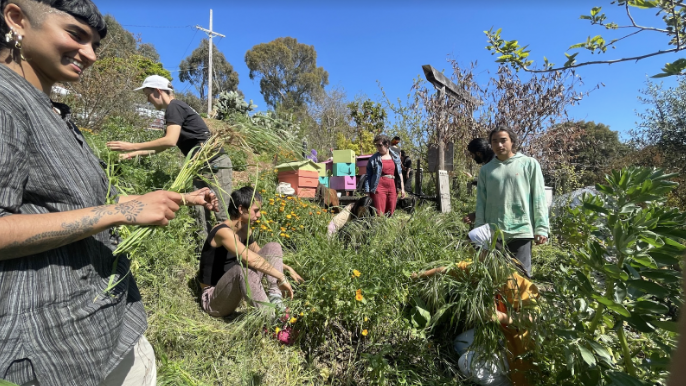
Transforming Invasives // Welcoming Newcomers (TIWN) is a laboratory for experimentation with “invasive” / “opportunistic” / “newcomer plants”. We meet regularly at land projects in the East Bay and collaborate with their stewards to pick a ‘weed’ to focus on researching and meditatively removing. We approach each newcomer plant with curiosity about their migration stories, cultural uses, energetic messages, edible and medicinal possibilities, and their role in the changing landscape.
Through this practice, we try to transmute the problematized plants (and more) back into balance with our shared ecosystem. We celebrate the creative potential of the villainized plants through eating, making medicine, making songs/art in their honor, crafting, weaving, and researching other potential roles they can play. As our elder ASB says, when a person keeps talking it's because they don’t feel like they’ve been heard. Transition happens not through shutting them up but by reflecting what they’ve said so they can feel understood. Let’s offer that understanding to our plant relatives. We hope that our participatory research plays a part in the intergenerational process of restoring native ecological habitats and cultures of stewardship!
At Playgrnd, we love to reawaken the curiosity of our inner children by activating all of our senses, weaving together culinary experimentations, play, song, and story to do embodied research together. Each session is threaded together with some core practices:
Guiding questions: What can the embodied act of “weeding” (aka supporting the plants to find balance) teach us about our role in rebalancing the economy (aka tending home)? How can ecosystem restoration and native plant revitalization teach us about our role as settlers, newcomers, and displaced beings trying to find belonging in reciprocity? As we work side by side, what can we teach each other about the layers of history hidden below our feet that colonization has tried to erase? How can we move towards integration and away from disposability? How can reckoning with the forces of colonization that brought us and these plants here help us deepen our roots in decolonization? When we subscribe to the narrative that newly arrived plants are invasive and harmful, what does that reflect about the stories we have about our own ancestral journeys? When we tune into the impact that these plants are having on the landscape, how does that inform the ways that we want to show up on this land? When we reconnect with the ancestral uses of these plants, how do our bodies respond?
Co-learning. We research this “weed”-of-the-month using the web of our embodied awareness as we work with them, and using the world-wide-web of other plant nerds (like you!). We share back the learnings we harvest together on our email thread and our ig.
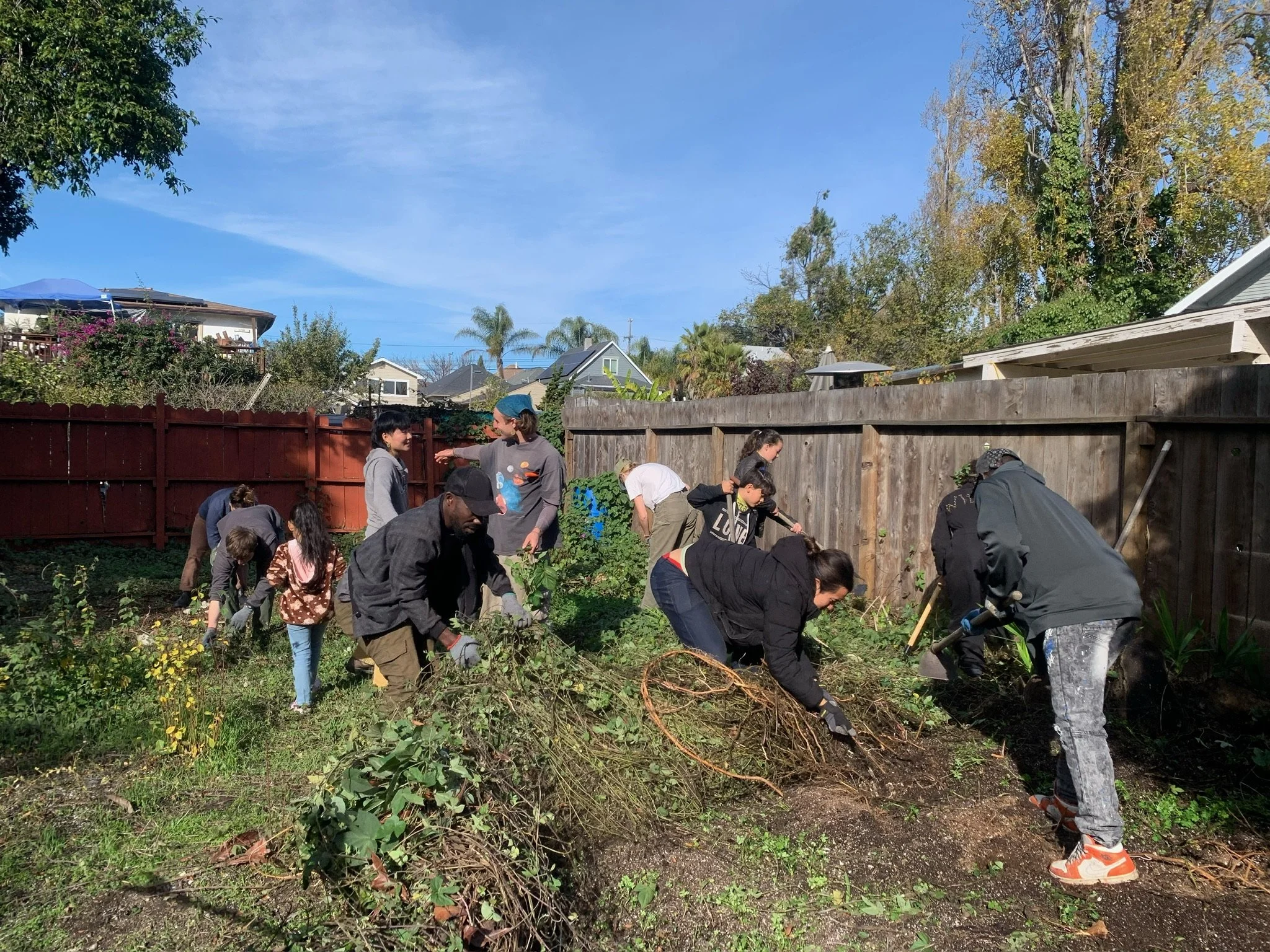
Harvesting/Removing: We mindfully clear out the ‘invasive’ plant, while observing the ways it’s interacting with its kin in the ecosystem. We notice what happens inside our own bodies as we uproot them.
Co-crafting. We celebrate the creative potential of these villainized plants through eating, making medicine, making songs/art in their honor, crafting, weaving, and researching other potential roles they can play.
Replanting: When seasonally appropriate, we activate the space that’s been cleared of “invasives” with native seeds and seedlings, working towards the long-term goal of returning native-dominant landscapes.
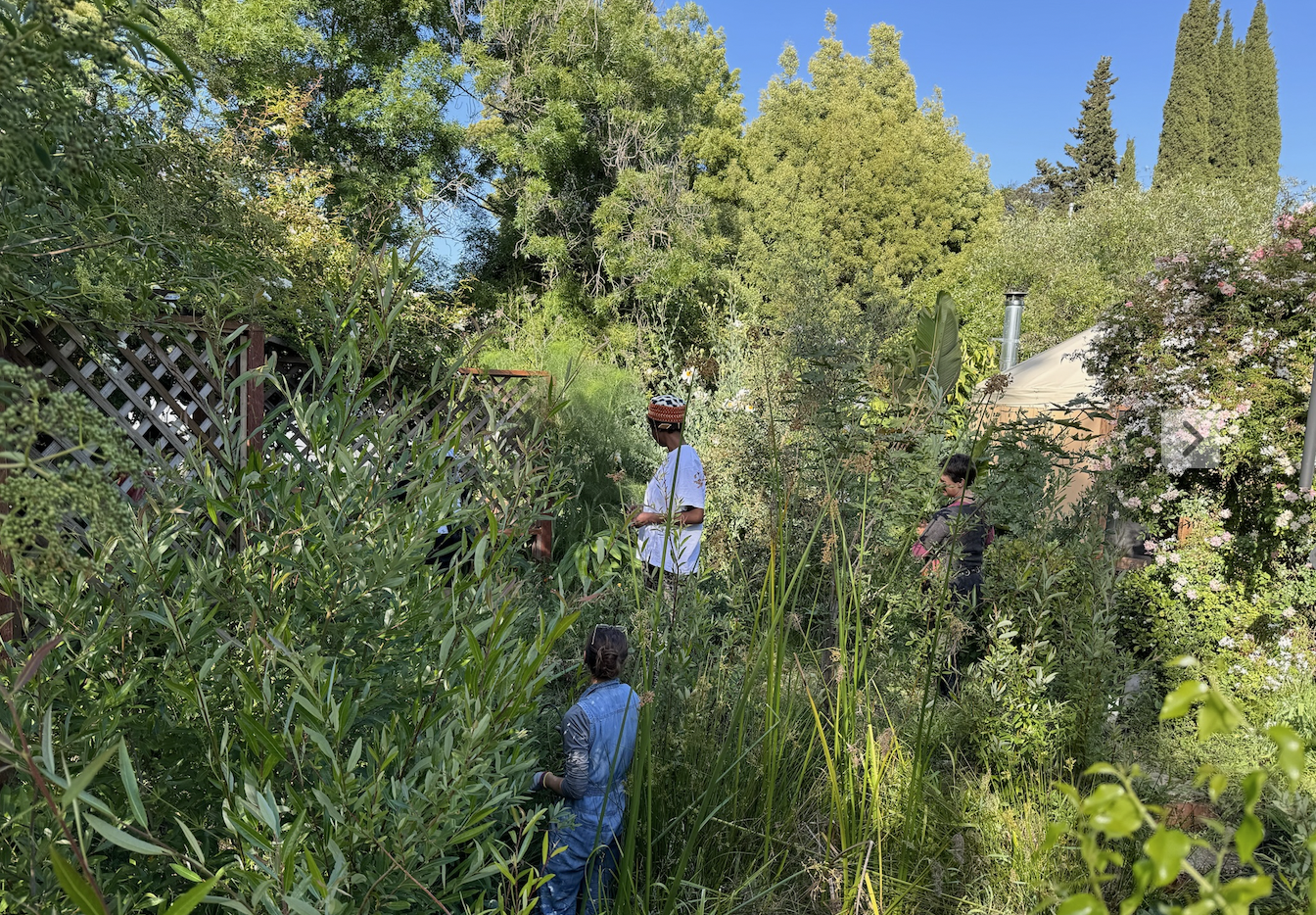
transform with us
Do you have or know of a site that needs ecological support -weeding, landscaping, planting native plants? Do you have
curiosity about connecting with newcomers, and deconstructing the “invader” illusion through embodied storytelling? Do you want to support immigrants with dignified work opportunities?
Our political climate has grown increasingly hostile towards
newcomers, framing immigrants as “invaders” and “criminals”,
and completely overlooking the rich cultures and medicines they
bear, not to mention the key role they play in the functioning of
our economy. Practice active solidarity by inviting our crew of
newcomers to flip that script on your land!
OUR OFFERINGS
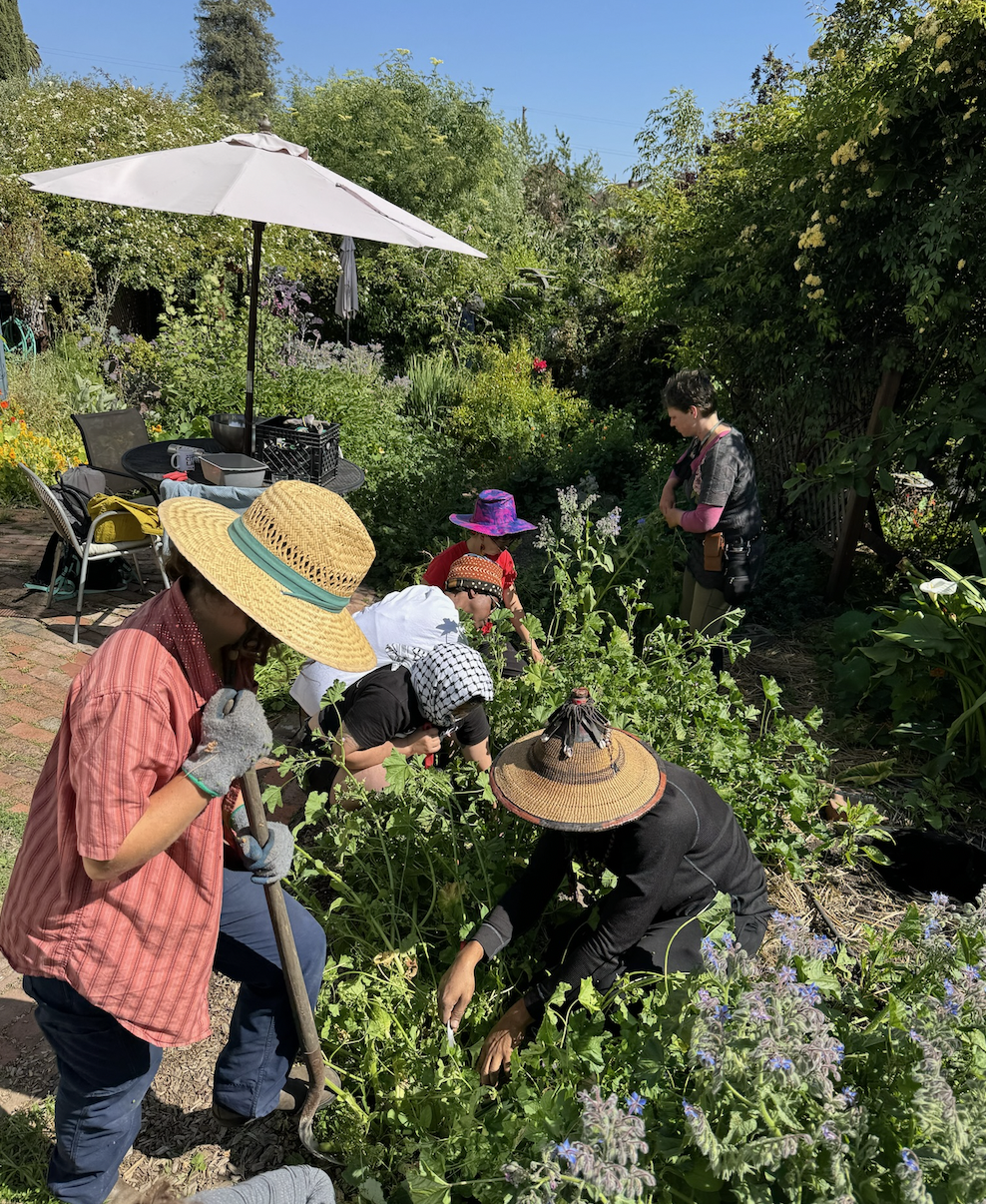
🌀Connective Work Party: A private event for your household or land project - a work party that includes facilitated connection activities through embodied storytelling. It can also include hands-on education of processing the “weeds” into medicine/food/craft and, depending on the season, can include repopulating the site with native, medicinal, and edible plants.
🌀Public event: We design an event open to the public for others to have the opportunity to participate, connect, and contribute financially. You could invite your community and we would invite our network who have been coming to TIWN and Canticle Farm events.
🌀Landscaping Services: Invite the TIWN crew over to tend the land and come out to meet folks at some point during our work session. This option is for folks with limited time or limited physical abilities who are still open to some degree of relational connection as a part of immigrant solidarity.
Contact us for inquiries at playgrndexperience@gmail.com
morning glory
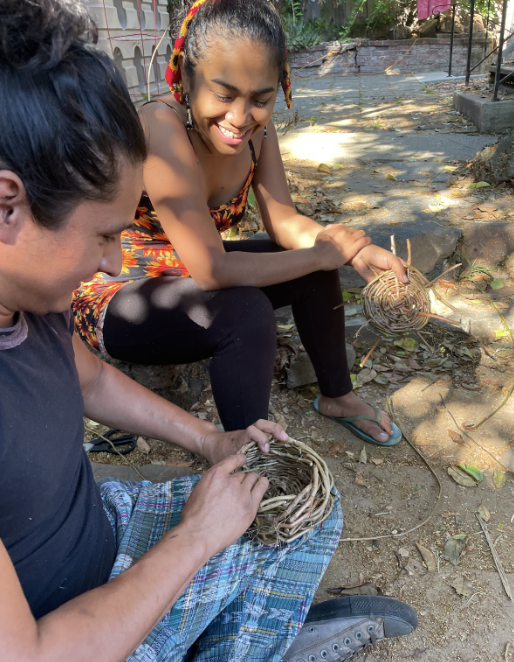
english ivy
Baskets and respiratory medicine
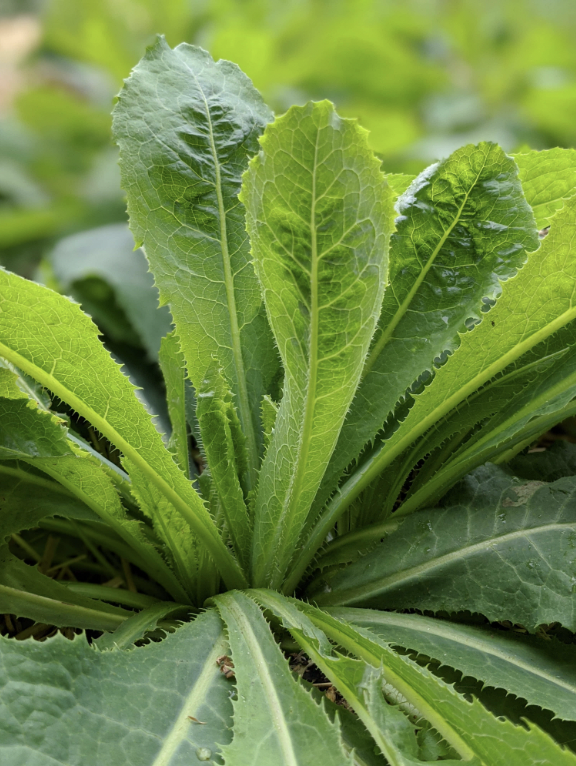
wild lettuce
Nervine balms
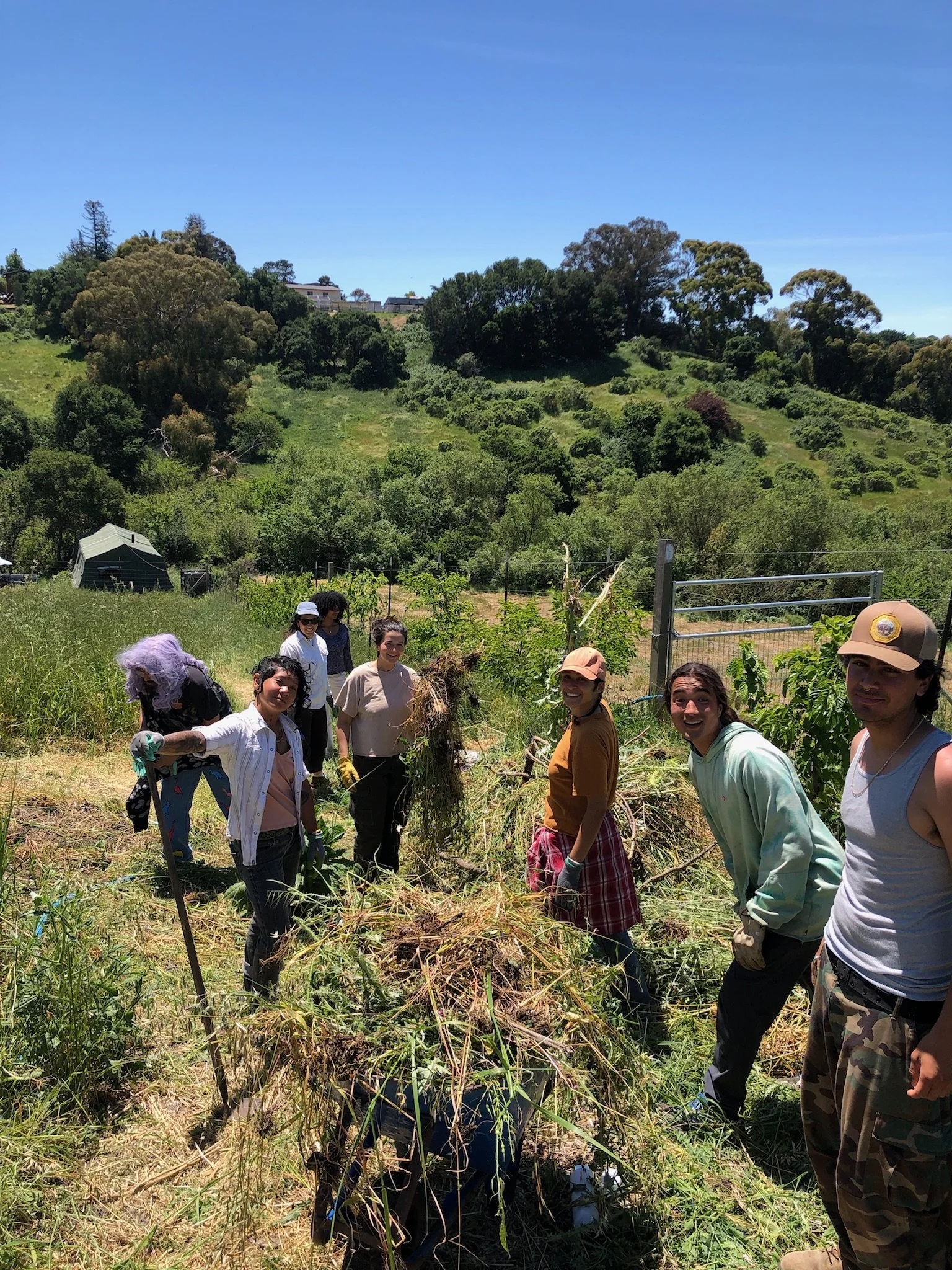
thistle
Boundary medicine
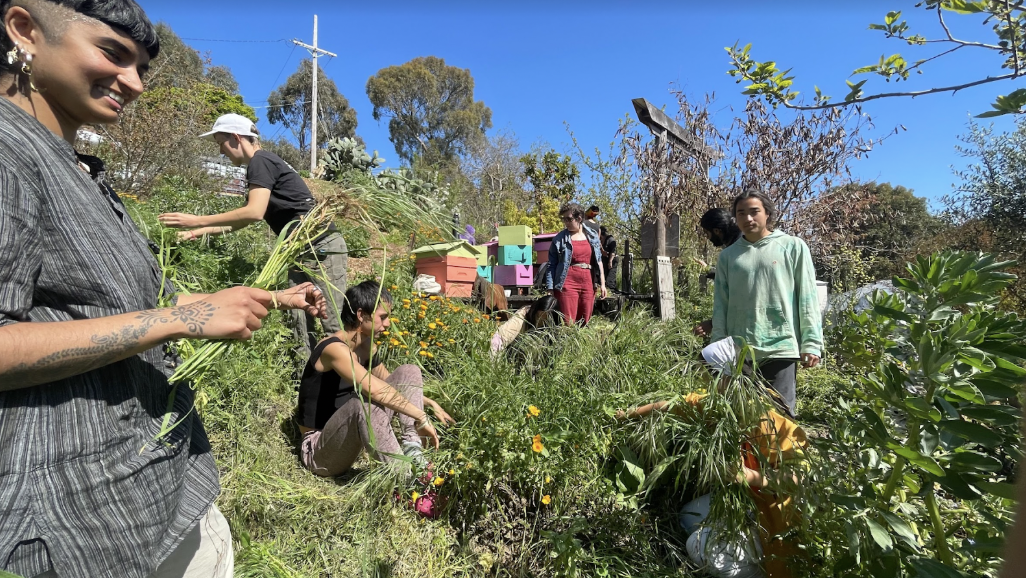
Cleavers & wild radish
Cleavers and Wild Radish
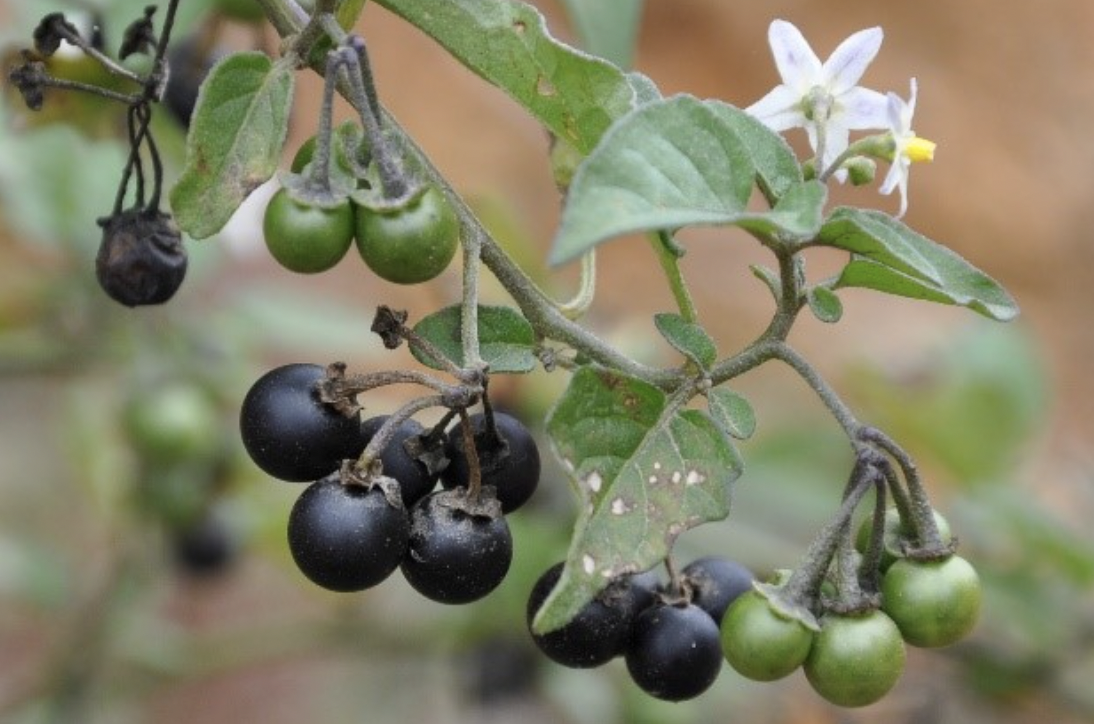
Belladonna…or hierba mora?
Deadly poison or generous medicine?
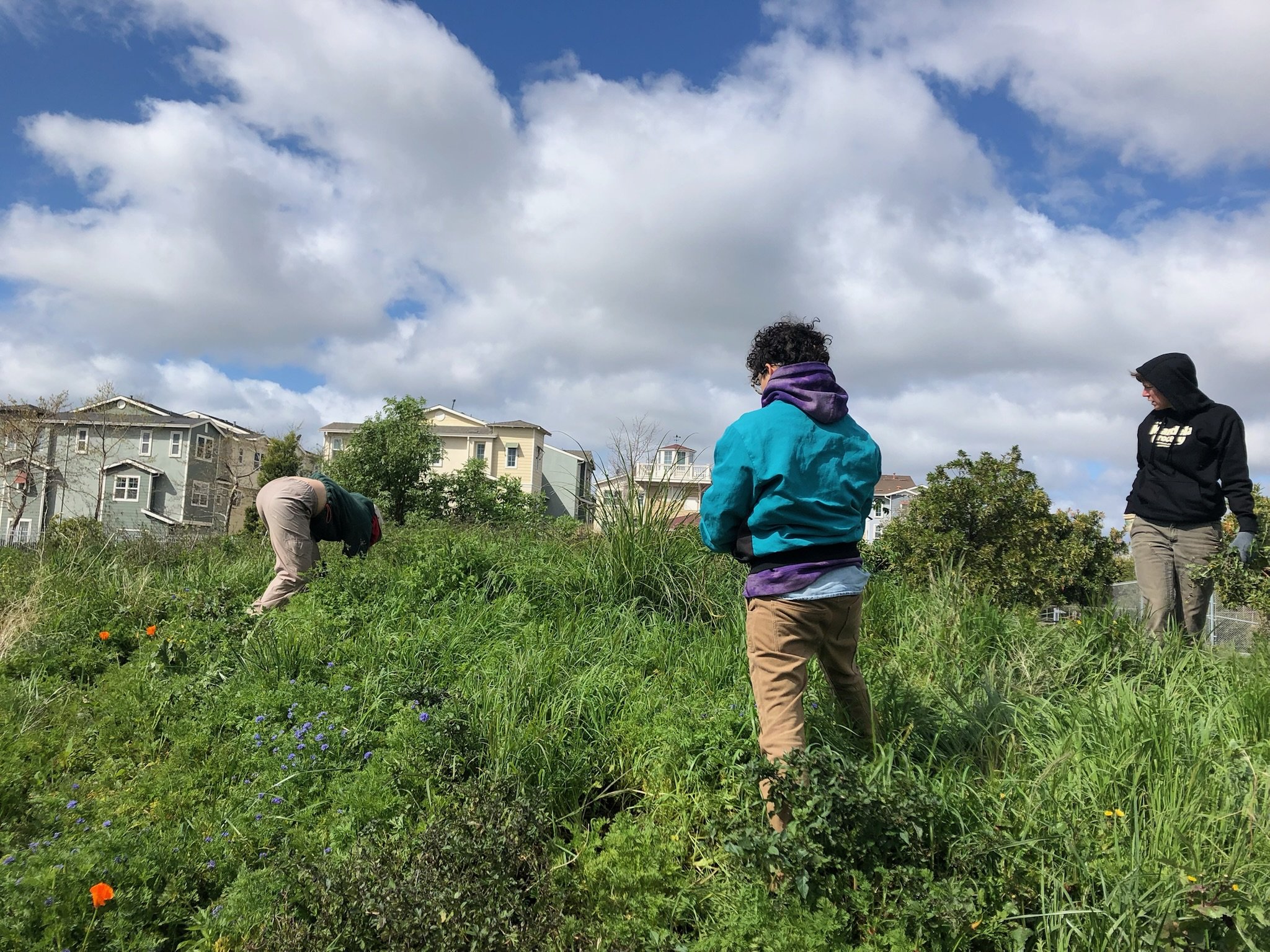
belladonna
“the devil’s favorite plant”
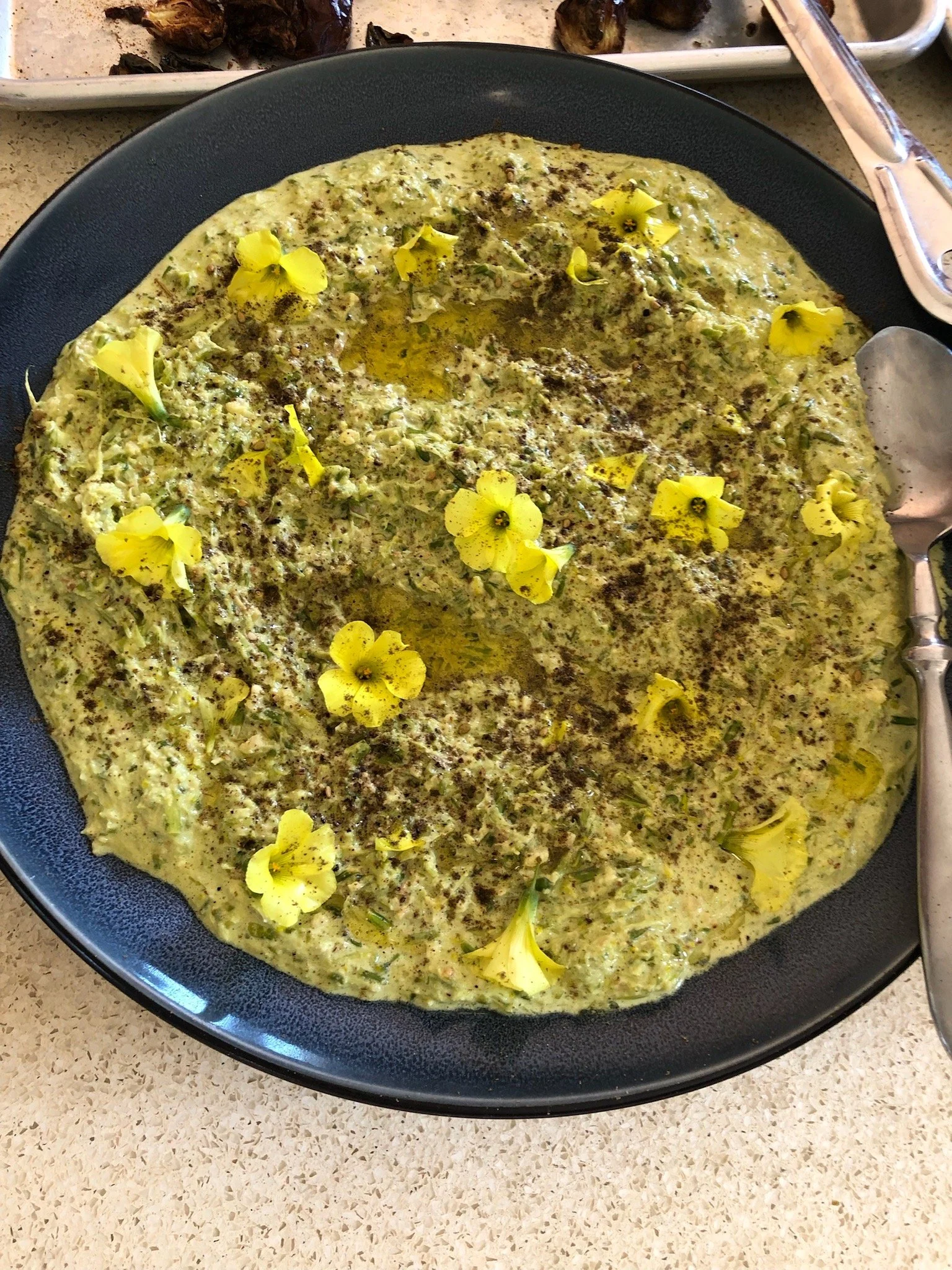
oxalis
Experimentations with Oxalis - liver cleansing pesto, natural dye, Brigid’s crosses and more!
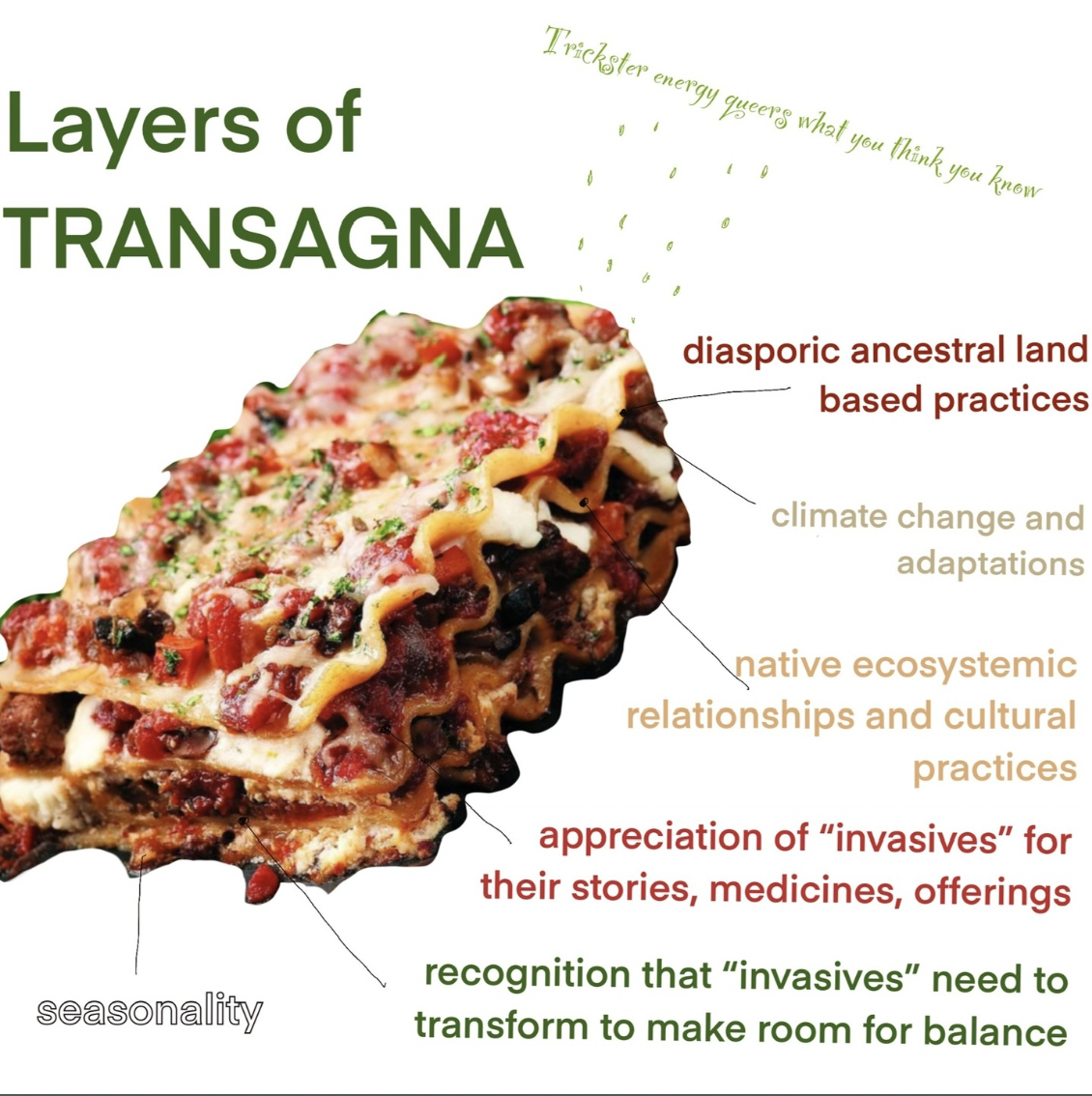
Transagna
Transagna explained